
Volunteer with Turtles abroad
Type of volunteering - turtle projects
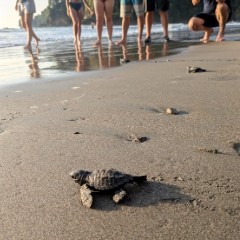
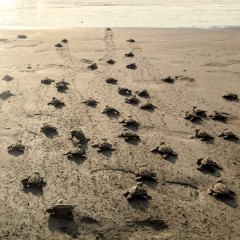
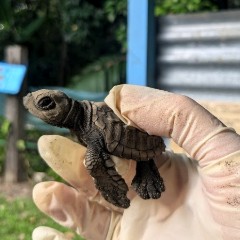
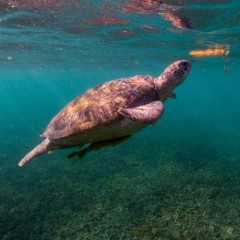
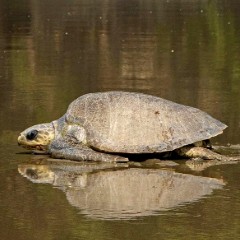
If you would like to volunteer to help protect sea turtles then we have some incredible projects where your help is needed to locate and protect new turtle nests, research and tag adult turtles, monitor turtle hatcheries, collect data on hatchlings and release hatchlings into the sea.

Family Education Trip - Turtle and Marine Conservation (age 8+)
Greece
- Learn about and protect endangered sea turtles and coastal ecosystems with your family
- Enjoy the beautiful island of Kefalonia
Duration: 1 week (6 days)
Cost from: £495 / €575 / $645

Turtle and Marine Conservation trip (age 23+)
Greece
- 1 week trip for people aged 23+ to learn about and protect sea turtles & coastal ecosystems
- Choose your own accommodation and explore the beautiful island of Kefalonia
Duration: 1 week (6 days)
Cost from: £595 / €690 / $775

Turtle and Wildlife Conservation
Costa Rica
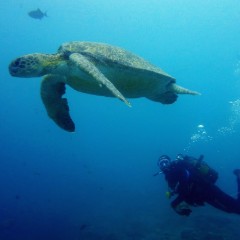
- Join an active scientific project monitoring and protecting sea turtles and other wildlife
- Live in a reserve on the stunning South Pacific coast
Duration: 1 – 12 weeks
Cost from: £725 / €840 / $945

Turtle and Wildlife Conservation - Family Volunteering
Costa Rica
- Help monitor and protect sea turtles and other wildlife with your family
- Live in a research and education station on the stunning South Pacific coast
Duration: 1 week, 10 days or 2 weeks
Cost from: £475 / €550 / $620

Turtle Conservation
Costa Rica
- Help find and protect turtle nests and release turtle hatchlings into the ocean
- Live a beach lifestyle along beautiful unspoilt coastline of the Nicoya Peninsula
Duration: 1 – 12 weeks
Cost from: £995 / €1155 / $1295

Turtle Conservation Volunteering (age 18+)
Greece
- Help monitor and protect endangered sea turtles on the beautiful island of Kefalonia
- Gain hands on experience with research and conservation tasks
Duration: 2 - 4 weeks
Cost from: £799 / €925 / $1040

U18 Trip - Turtle and Conservation - October half term (age 16-18)
Greece
- Learn about turtles, birds and natural ecosystems and get involved in their protection
- Enjoy the beautiful island of Kefalonia with a group of 16-18 year olds and Team Leaders
Duration: 1 week (6 nights)
Cost from: £1395 / €1620 / $1815

U18 Trip - Turtle and Marine Conservation - Summer (age 16-17)
Greece
- Learn about and protect endangered sea turtles and coastal ecosystems
- Enjoy the beautiful island of Kefalonia with a group of 16-17 year olds and Team Leaders
Duration: 1 week
Cost from: £1495 / €1735 / $1945
We have long term relationships with hand-picked projects that have lasting and positive impact. We are a highly experienced and passionate team, here to support you!
Find out more