
Elephant Care
Thailand
The Elephant Care project provides refuge to domesticated elephants that have been used in the logging and tourism industries.
You will support the team in caring for the rescued elephants at the centre; many of whom arrive with severe health problems and bear the scars of previous abuse. The extra support from volunteers is crucial to ensure that every animal receives the optimum level of care. By spreading the word about the use and abuse of animals, volunteers raise awareness of these issues and what can be done to help them. You can also combine this role with the Wildlife Rescue project.
Explore the beautiful local area and vibrant night market in the popular destination of Hua Hin. Visit one of the nearby national parks and see some wonderful wildlife!
Help the Elephant Care team to care for elephants in need.
Key Info

- Location: 3 hours south of Bangkok
- Start dates: Every Sunday
- Duration: 1 - 12 weeks
- Age requirement: 18+ (16+ for families)
- Availability: Spaces available
- Cost: From £695 / €805 / $905 - see Dates & Fees
Project Information
Volunteer role: What will I be doing?
There are currently 24 elephants and around 900 other rescued animals at the wildlife sanctuary including over 300 primates, bears, tigers and a variety of other small mammals, birds and reptiles. There are two separate volunteer roles - Elephant Care and Wildlife Rescue - you can choose to either specialise in one role or combine the two.
The Elephant Care project gives refuge to domesticated elephants that have been used in the logging and tourism industries and many of the elephants arrive with severe health problems and the scars of previous abuse. Elephants have been rescued from begging on the streets of big cities, circuses and elephant riding camps.
The aim for the elephants is to ensure that they spend the rest of their lives in a sanctuary as close to their natural environment as possible.
The main Elephant Care volunteer tasks are:
- Preparing and distributing food for the elephants
- Hosing down and washing the elephants
- Cleaning the enclosures and grounds
- Creating enrichments for the elephants
- Harvesting of banana trees
- Construction and maintenance of enclosures (if taking place while you are there)
The Elephant Care role is generally hands on, however, each of the rescued elephants have different backgrounds and needs and some of them don’t have direct contact with volunteers.
Volunteers are also allocated other shared duties including cleaning the dining area and caring for the rescued dogs on site. For the dogs, this means helping on bath days, feeding and removing ticks. Some dogs may have poor skin conditions, which is common in Thailand.
You will work in small teams with a team leader (usually another volunteer), learning most things whilst doing them. You will be working in very close or direct contact with the elephants and, for your own and others safety, you must be aware of the risks and follow all instructions.
This project is ideal for stays of 1-6 weeks. If you have 6 weeks or longer we would recommend combining this role with the Wildlife Rescue role which is based at the same centre.
Typical day
Volunteers work a 6 day working week from about 6.30am-5pm on a rota basis and a working day typically follows this schedule:
- 6.30am-8am - Volunteering
- 8am-9am - Breakfast
- 9am-12pm - Volunteering
- 12pm-1pm - Lunch
- 1pm-5pm - Volunteering
- 6pm - Dinner & relax!
In the first two days, you will have a half day induction and tour of the centre, as well as a health & safety briefing.
Volunteers live on site, a short walk away from the animals. There are many exciting free time activities locally including 3 national parks to explore!
Other volunteers
There are usually 15-30 volunteers on the Elephant Care team (with a maximum of around 70 including the Wildlife Rescue team), numbers vary throughout the year.
Duke of Edinburgh’s (DofE) award
This placement has been approved by the DofE as meeting the requirements for the Residential section of the Gold Award.
Local support
You will be supported by the local team at the centre which includes several international and Thai co-ordinators who are responsible for managing volunteers and the daily work of the wildlife and elephant teams.
“The passion and commitment shown by volunteers allows the centre to run smoothly. Their love for animals allows us to continue to rescue and rehabilitate animals that have been forced into the tourist industry or kept as pets.” Katie, Volunteer Coordinator
Accommodation
Accommodation is provided in simple shared rooms with fans, located in the centre grounds, with separate shared bathrooms. If you would like to, you can upgrade to a more comfortable private room or to the luxury lodge - see below for details.
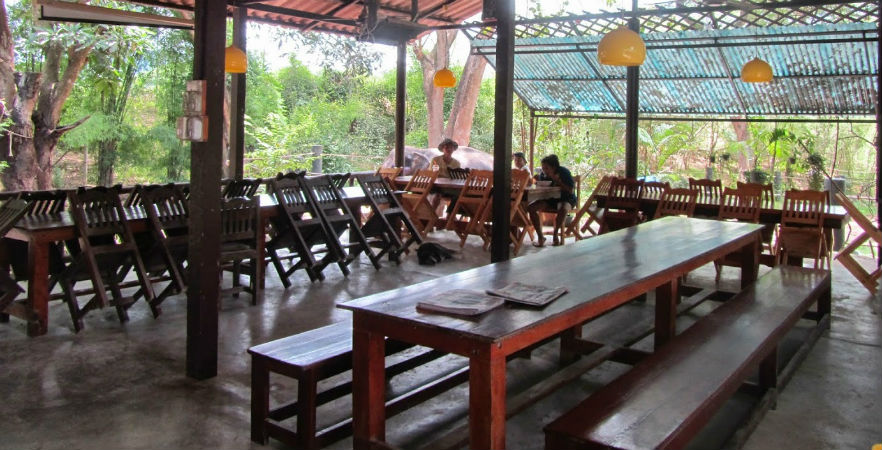
There is a large open air communal dining area where volunteers have meals and can relax in the evenings. There is WIFI available in the dining area too.
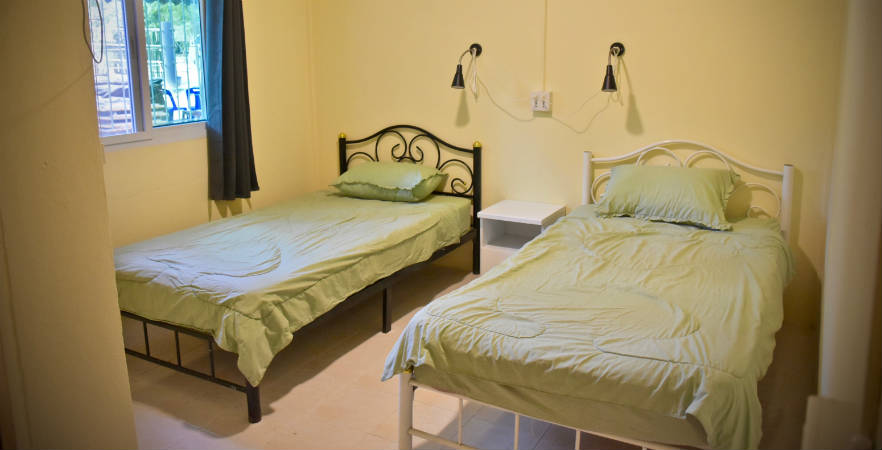
Premium room upgrade
You can upgrade to a private room (for an additional fee), with air-conditioning, fridge and ensuite bathroom. Some of the private rooms are located at the main centre and some are near to the elephant enclosures, 15-20 minutes' walk from the main centre.

Luxury Lodge upgrade
You can also upgrade to the 'elephant' lodge (for an additional fee), which has private rooms with balcony, air-conditioning, fridge and ensuite bathroom. There is a swimming pool, restaurant and amazing views over one of the elephant enclosures. The Lodge is 25 minutes' walk from the main centre.


Meals
Main meals are included and are prepared by Thai cooks. Here are typical examples of the food you will have:
- Breakfast – seasonal fresh fruit, pancakes, bread, eggs, yoghurt, Thai rice porridge, tea & coffee
- Lunch – mainly Thai dishes, not all are spicy! Options may include curries, stir fries, soups, rice and noodles, vegetables, salads, seasonal fresh fruit
- Dinner – options may include curries, stir fries, rice and noodles, pasta, potatoes, salads
Vegetarian and vegan options are provided.
Unfortunately it’s not possible to cater for those with nut allergies - if you have any other allergies or specific dietary requirements please let us know in advance and we will check if these can be catered for.
There is a small bar open from 5-7pm where you can buy snacks, soft drinks, coffee, smoothies and some alcoholic drinks.
Drinking water is provided on site from water dispensers where volunteers can fill up their water bottles throughout the day.
Getting there
You will need to fly into Bangkok (BKK). We can arrange for you to be met on arrival and be transferred from the airport to the project, which takes about 3 hours.
Location and free time
The centre is located in a tropical region about 3 hours south of Bangkok. Situated on temple grounds and just outside a small village, it's a fairly remote location and a peaceful and beautiful environment. There is a lake opposite the centre which has a series of small ‘gibbon islands’ used to rehabilitate the gibbons.
In the local village (10 minute walk away) there are cash machines, a couple of minimarkets selling basic items such as toiletries and snacks, and small roadside restaurants.
There are two bigger towns, Cha Am and Hua Hin (45 mins-1 hour by taxi). Both these towns are on the coast of the Gulf of Thailand and are popular beach resorts.
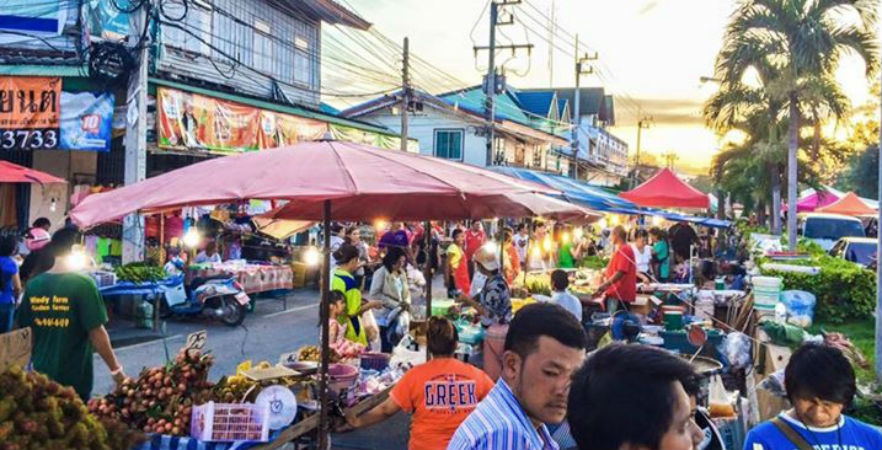
In the evenings volunteers often sit and relax in the open communal area and there is a bar where volunteers can buy drinks, snacks and smoothies. Volunteers may also choose to go to Hua Hin where there are bars, restaurants and a bustling night market, ideal for souvenir hunting! There is also a weekly night market in Cha Am selling clothes and local foods.
There is a small resort with swimming pool and Thai massage treatments available nearby (20 minutes by taxi) which is very popular with volunteers on their day off. There are also three national parks which you are able to visit; Kui Buri National Park, Kaeng Krachan National Park and Khao Sam Roi Yot National Park. These activities are best booked locally once you are at the project.
Climate
Thailand has a tropical climate and is hot throughout the year, with temperatures generally between 25-33˚C. There can be tropical rain showers at any time of year but the rainier months are generally between June to September when there is typically heavy rain for an hour or two and then it clears up.
Travelling in Thailand before or after your placement
Thailand is often referred to as the ‘land of smiles’ and is a huge attraction for travellers from around the world due to its glorious beaches, tropical climate, great food and fascinating culture. Thailand has something to offer everyone and popular activities that you might like to combine with your volunteer project include:
- Visiting the islands of Koh Tao, famous for its scuba diving and laid back atmosphere
- Visit the beautiful waterfalls, wildlife and limestone cliffs of Khao Sok National Park
- Exploring the tranquil mountains in the North and meeting ethnic hill tribes
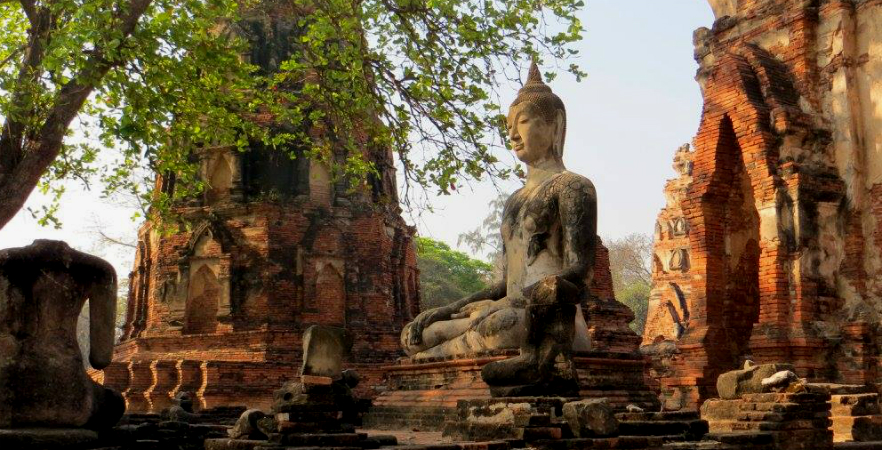
- Visiting the many colourful and ancient temples
For more information on Thailand and some of the things we loved when we visited there please see our Thailand country page.
Arrival & departure
- Start day (day to arrive at the project): Sunday, see available start dates below
- Departure day: Sunday
Durations
You can volunteer at this project for: 1 week - 12 weeks (7 nights per week).
Start dates
Start dates are every Sunday of the year.
What's Included
Included
- Dedicated Pod Volunteer specialist to support you from booking on until you complete your trip
- Comprehensive trip planning guide
- Accommodation
- Meals - breakfast, lunch and dinner
- Induction
- Support from the team onsite in Thailand
- 24/7 emergency support from the Pod Volunteer UK team
- Donation to Pod Environmental Fund tackling climate change
- 100% payment protection through ABTOT
- Volunteering certificate and reference (on request)
Not included
- Flights
- Transfers to / from the project (we can arrange this for you, it costs approx £55 GBP each way from Bangkok)
- Travel insurance
- Vaccinations
- Any tourist trips / activities you choose to do in your free time
Price table
| 1 week - Elephant Care | £695 | GB Pounds |
| Extra weeks - Elephant Care | £235 | GB Pounds |
| 2 week combination of Elephant Care & Wildlife Rescue | £925 | GB Pounds |
| 3 week combination of Elephant Care & Wildlife Rescue | £1150 | GB Pounds |
| 4 week combination of Elephant Care & Wildlife Rescue | £1350 | GB Pounds |
| Extra weeks combination of Elephant Care & Wildlife Rescue | £150 | GB Pounds |
Accommodation
The prices above are for a standard room. The following supplementary fees apply for room upgrades:
- Premium room - additional fee of £250 GBP per week for a private room for 1-2 persons
- Luxury Lodge - additional fee of approx £500 GBP per week (depending on exchange rates) for a private room for 1-2 persons
Discounts
- £250 discount for each child under 16 joining with parent(s)
- £50 discount if you have previously volunteered with Pod Volunteer
Where the money goes - financial transparency
Your fee covers the overseas costs of volunteering and the costs of running our organisation in the UK, on a non-profit basis. For more details and a breakdown of our costs please click here.
Book with confidence - financial protection
All monies paid to us are financially protected through The Association of Bonded Travel Organisers Trust Limited (ABTOT).
Fees in currencies other than GBP are indicative only and volunteers are invoiced in GBP. For current exchange rates please see www.xe.com
Read volunteer reviews from the Elephant Care project
Micah
"The experience was excellent. Waking at the crack of dawn, preparing food, cleaning habitats, feeding, washing and walking the elephants was hard work, but well worth the experience. The staff are both knowledgeable and accommodating. The animals are remarkably well looked after and one feels the overall satisfaction of knowing they are receiving the right care. I would highly recommend this adventure."
Donna
"I have just spent 2 wonderful weeks at the elephant care project in Thailand. It was everthing I hoped it would be and more. The staff at the sanctuary are amazing and their knowledge and expertise is second to none. Nothing is too much trouble for them, especially where their elephants are concerned.
Yes, they were early starts and long days in very hot temperatures but every second was worth it. Make no mistake, the work is really hard but you have to remember one thing, everything you are doing is for your elephants well-being. You do also have fun along the way with likeminded people that you meet from all over the world.
I would urge anyone to do this who may be considering it. It is a life changing experience that I would jump at the chance to do again. The whole process from start to finish was really easy. The staff at POD and the local staff were really helpful and I would not hesitate to go again."
Martha
"My overall experience in Thailand working with the elephants is indescribable. It was the most amazing experience I've ever had and will ever have. Working with the elephants that have been mistreated yet still show love and affection towards you is a feeling I will never let go of."
Irina
“Words alone cannot express this experience. If I was younger, I would have certainly preferred to stay longer. The camaraderie is great. One can make friends for a lifetime. The setting is fantastic living in the tropical landscape with all the animals there. Never a dull moment. One will gain knowledge about every rescue and is able to give love to all the elephants. I’m just so happy that animals with decades of abuse have found this safe haven."

24/7 support
Alex and the Pod UK team are here to help you throughout your trip
Reserve your place and start your volunteering adventure to Thailand!
BOOK NOWSIMILAR PROJECTS
Here are other popular projects you may be interested in